
Level 1 vs Level 2 EV Chargers: Which Is Right for Your Home
Electric vehicles are appearing in more American driveways every year, and a reliable way to charge at home is essential. The two most popular options, Level 1 and Level 2 chargers, differ in voltage, charging speed and installation complexity. This article compares them, covering charging speeds, electrical requirements, installation costs and convenience so you can choose a charger that matches your driving habits and budget.
What Are Level 1 and Level 2 Chargers?
EV chargers are grouped by “levels.” Level 1 chargers plug into a standard 120‑volt outlet and usually add about two to five miles of range per hour, so they are suitable for light daily driving and overnight charging. Level 2 chargers run on a 240‑volt circuit and add roughly ten to thirty miles per hour, making them better for larger batteries and longer commutes. Some high‑power Level 2 units can deliver even more range per hour, but the maximum charging rate is ultimately set by the vehicle’s onboard charger.
How Do These Chargers Work?
Both levels deliver alternating current from your home to the vehicle, and the onboard charger converts it to direct current for the battery. A Level 1 cord draws about twelve to sixteen amps from a 120‑volt outlet and may need half a day or more to add fifty miles of range. A Level 2 unit draws twenty to forty amps from a 240‑volt circuit and can add the same range in just a few hours. Actual rates depend on the vehicle’s onboard charger.
Installation Requirements and Costs
Installation needs differ greatly. Level 1 charging uses an existing 120‑volt outlet, so there is little or no installation cost, though you may need to add a receptacle near your parking space. Level 2 chargers require a dedicated 240‑volt circuit and a mounted unit. An electrician runs wiring to the panel and ensures it can handle the added load. Equipment may cost a few hundred to more than a thousand dollars, and labor, permits and inspections vary by region. Local incentives may help, so obtain quotes and check regulations before making assumptions.
Charging Speed and Convenience
Charging speed shapes how you use your vehicle. Level 1 charging suits modest daily driving and overnight top‑ups but can lag behind longer commutes or large batteries. Level 2 replenishes much faster, supports multiple EVs and lets you take advantage of off‑peak electricity rates. Many households find the shorter charging times worth the higher initial cost.
Pros and Cons of Each Level
Level 1 Advantages
- Low cost and simplicity: A Level 1 cord usually comes with the car, and you can plug it into any standard outlet.
- Gentle on the battery: Lower charging rates generate less heat and can be easier on the battery over time.
Level 1 Disadvantages
- Slow charging: Only a few miles of range are added per hour, which may not meet the needs of longer daily drives.
- Limited placement: You must park near an outlet, and extension cords are not advised.
Level 2 Advantages
- Fast charging: Provides several times more range per hour than Level 1, so you can recharge in a few hours instead of overnight.
- Flexibility for larger needs: Supports larger battery packs, longer daily drives or multiple EVs within a household.
Level 2 Disadvantages
- Higher cost and complexity: Equipment and professional installation add expense, and your electrical panel may require an upgrade.
- Permitting and variability: Dedicated circuits often require permits and inspections, and costs vary widely by region.
Which Is Right for Your Home?
Choosing between Level 1 and Level 2 charging hinges on how far you drive each day, how many electric vehicles are in your household and your home’s electrical capacity. Level 1 works well for modest daily mileage and situations where the vehicle can remain plugged in for many hours. Level 2 is better suited to longer commutes, larger batteries or households with more than one EV. Before committing to a Level 2 installation, consider whether your electrical panel can support a new 240‑volt circuit, how much the wiring and permits will cost and whether incentives are available. Because prices, rebates and regulations vary by region, gather local information to make the best decision.
Final Thoughts
Level 1 and Level 2 EV chargers both enable convenient home charging, but they offer different balances of cost, speed and flexibility. A Level 1 cord is inexpensive and sufficient for light daily driving, while a Level 2 unit shortens charging times and supports longer commutes. When you weigh these factors against your budget and your home’s electrical capacity, you can select a charger that fits your lifestyle today and adapts as your driving needs change. By thinking about how much you drive, your electrical setup and the available incentives in your region, you can choose the charging solution that keeps your electric vehicle ready when you need it.
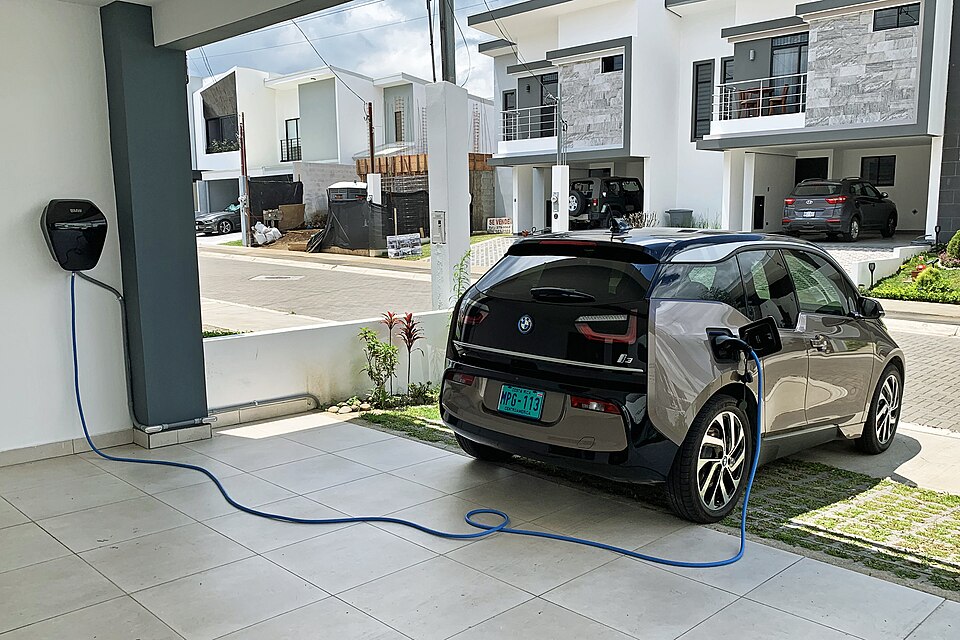
Image Credit: “BMW i3 charging at a residential Level 2 wallbox” by Mariordo (Mario Roberto Durán Ortiz) is licensed under CC BY‑SA 4.0